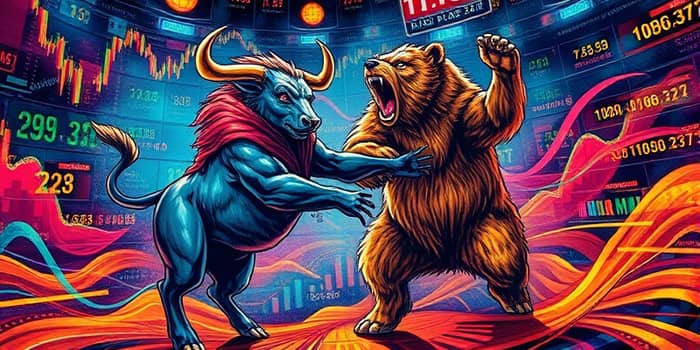
The financial markets are often likened to a theatrical performance, where bulls and bears twirl through cycles of optimism and fear. By learning the steps of this intricate dance, investors can navigate both surging rallies and sharp declines with confidence.
Origins of the Dance
The metaphors of the bull and the bear date back centuries, capturing the animalistic energy driving market moves. A bull thrusts its horns upward, symbolizing a market driven by investor optimism and climbing prices. Conversely, a bear swipes its claws downward, embodying a time when panic and uncertainty create a negative feedback loop.
Historical thresholds reinforce these images. A bull market typically requires a sustained price rise of 20% from recent lows. A bear market, in turn, reflects a drop of 20% or more from recent peaks. These markers help distinguish between temporary corrections and full-fledged cycles.
Defining Bulls and Bears
At its core, a bull market thrives on sustained stock price increases, buoyed by low interest rates, healthy GDP growth, and rising demand that outpaces supply. High employment and strong consumer confidence further fan the flames of bullish sentiment.
In bear markets, the opposite conditions prevail. Rising inflation, elevated unemployment, and supply gluts weigh on sentiment. Investors, expecting continued declines, often sell positions, amplifying losses and creating intense selling pressure.
The Psychology of Market Sentiment
Market sentiment represents the collective investor psychology that sways prices beyond fundamentals. When optimism peaks, greed-fueled buying creates momentum, drawing in more participants. At extremes, overconfidence can spark bubbles.
On the flip side, fear-driven selling can trigger spiraling losses. Negative headlines, geopolitical strains, or disappointing earnings can stoke panic, sending sentiment into the red and signaling potential entry points for patient investors.
Key Indicators to Watch
Quantifying sentiment helps traders anticipate turning points. Below are several widely followed measures:
- CBOE Volatility Index (VIX): Known as the "fear gauge," spikes above historical norms often precede market troughs.
- Fear & Greed Index: Combines multiple factors—momentum, breadth, safe-haven flows—to gauge extremes between 0 and 100.
- Put/Call Ratio: High readings indicate bearish bets dominate, potentially signaling a bottom.
- Advance-Decline Line: Tracks stocks advancing versus declining; divergence from price can warn of reversals.
Macro Drivers and Media Narratives
Beyond technical measures, macroeconomic factors set the stage for sentiment swings. Low interest rates, fiscal stimulus, and innovation spur bullish cycles. High inflation, tightening monetary policy, or geopolitical conflict can flip the mood.
The media acts as an amplifier. Bullish stories can fan euphoria, while alarming headlines may stir panic. Monitoring news flow alongside data can help investors separate transitory noise from genuine shifts in trend.
Strategies for Every Market
Both bulls and bears offer opportunities. During uptrends, momentum strategies and sector rotation can capture gains. In downturns, defensive allocations—bonds, utilities, cash—and hedging with options may preserve capital.
A popular approach is contrarian investment strategies, buying when fear peaks and trimming positions when greed reaches extremes. Combining sentiment readings with valuation metrics may yield more reliable entry and exit signals.
- Monitor sentiment indicators in concert rather than isolation.
- Set clear risk limits and adhere to a disciplined plan.
- Use market breadth to confirm the health of trends.
Real-World Examples
The 2007–2009 bear market was fueled by a housing crisis, rising defaults, and financial panic. Investors fled equities, driving the S&P 500 down over 50%. Sentiment gauges like the VIX soared above 80.
By contrast, the 2010–2020 bull run saw central banks keep rates near zero and governments inject trillions in stimulus. A tide of liquidity lifted stocks to record highs, with bullish sentiment peaking multiple times.
Conclusion: Embracing the Rhythm of Markets
Markets ebb and flow in a perpetual dance of optimism and fear. Understanding the cues of bulls and bears—through psychology, indicators, and macro context—allows investors to move in harmony with market cycles.
By studying diverse sentiment indicators and grounding decisions in both data and discipline, you can transform volatile markets into opportunities for growth. Embrace the rhythm, learn the steps, and join the dance with confidence.
References
- https://www.heygotrade.com/en/blog/bear-and-bull-market-definitions
- https://www.semantic-visions.com/insights/what-are-market-sentiment-indicators-and-why-do-they-matter
- https://www.coinbase.com/learn/crypto-basics/what-is-a-bull-or-bear-market
- https://www.aimtechnologies.co/2024/09/23/market-sentiment-index-a-comprehensive-guide/
- https://www.westpac.com.au/personal-banking/share-trading/education/bull-and-bear-markets/
- https://smartasset.com/advisor-resources/market-sentiment-indicator
- https://www.johnhancock.com/ideas-insights/bull-market-vs-bear-market.html
- https://realtrading.com/trading-blog/market-sentiment-indicators-day-trading/
- https://www.nerdwallet.com/investing/learn/bullish-vs-bearish
- https://www.sofi.com/learn/content/understanding-market-sentiment/
- https://www.fidelity.com/learning-center/smart-money/bear-vs-bull-market
- https://www.avatrade.com/trading-info/market-analysis/sentiment-analysis
- https://www.youtube.com/watch?v=aewFn8E5Vm4
- https://en.macromicro.me/collections/20868/global-sentiment-indicator
- https://toslc.thinkorswim.com/center/reference/Tech-Indicators/studies-library/M-N/MarketSentiment