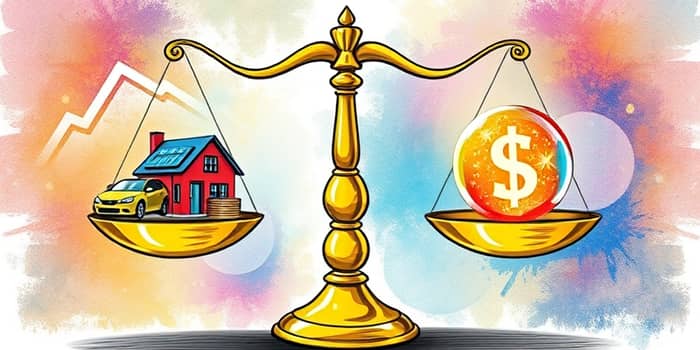
Borrowers face a pivotal choice when seeking credit: accept a loan backed by collateral or opt for an unsecured alternative. Each path carries its own benefits, risks, and practical considerations. Understanding these distinctions is essential for making an informed decision that aligns with your financial goals and risk tolerance.
Understanding Secured Loans
Secured loans require borrowers to pledge an asset—such as a vehicle, home equity, fine art, or a savings account—as collateral. This arrangement reduces lender risk by granting the lender the right to seize the pledged asset if repayment obligations are not met. Because the collateral serves as a safety net, lenders can extend larger credit lines at more favorable rates.
Common examples of secured lending include mortgages, auto loans, and some specialized personal loans. Approval criteria often hinge on the substantial asset value and clear proof of ownership. While borrowers benefit from reduced interest rates, they must weigh the potential loss of essential assets in the event of default.
Understanding Unsecured Loans
Unsecured loans carry no pledged assets. Instead, approval revolves around the borrower’s credit score, income level, debt-to-income ratio, and sometimes alternative data like education or employment history. Because no collateral underpins the agreement, unsecured loans pose a higher risk for lenders, who compensate by charging higher interest rates.
Examples of unsecured credit include personal loans, credit cards, and most student loans. Borrowers appreciate the no asset risk feature and the flexibility of use, but they must often satisfy strict credit requirements and accept potentially lower loan amounts. In case of default, lenders resort to collections or legal action rather than seizing property.
Key Differences at a Glance
To decide which loan type best suits your circumstances, compare these essential characteristics:
- Collateral Requirement: Secured loans need assets; unsecured loans rely on creditworthiness.
- Interest Rates: Secured offerings tend to be lower; unsecured rates range widely, often higher.
- Loan Amounts: Secured loans can reach high sums tied to collateral value; unsecured amounts are capped by credit profile.
- Approval Speed: Secured loans take longer due to appraisals; unsecured loans often fund within days.
- Risk Exposure: Default on secured loans risks asset loss; default on unsecured loans damages credit and triggers collections.
Pros and Cons of Secured Loans
Secured loans unlock borrowing power through collateral but come with trade-offs. Consider these factors carefully:
- Pros: Lower interest rates, higher borrowing limits, and easier approval for those with imperfect credit.
- Cons: Risk of asset seizure, usage restrictions, and longer approval processes requiring detailed documentation.
Pros and Cons of Unsecured Loans
Unsecured loans appeal to borrowers wary of risking assets, yet impose unique challenges. Evaluate the following:
- Pros: Swift approval, flexible usage, and no threat of losing personal property.
- Cons: Higher interest rates, lower maximum amounts, and strict credit and income requirements.
Choosing the Right Option for Your Needs
Selecting between secured and unsecured credit depends on multiple dimensions of your financial profile and borrowing purpose. If you need a large sum at a low rate, and you can confidently repay, a secured loan may be the optimal choice. Conversely, if preserving assets is paramount or you require rapid funding, an unsecured loan could serve your needs.
Key questions to ask yourself include:
- Can I comfortably pledge collateral without endangering essential assets?
- Do I qualify for competitive rates based on my credit score and income?
- Will the loan purpose require specific usage restrictions?
Smart Strategies to Maximize Loan Benefits
Whether you choose a secured or unsecured loan, adopting sound financial strategies can enhance outcomes:
First, conduct thorough market research. Compare APRs, fees, repayment terms, and prepayment penalties across banks, credit unions, and online lenders. Prequalification tools often allow you to gauge offers without impacting your credit score.
Second, leverage automatic payments to ensure timely monthly installments. This practice safeguards your credit history and may qualify you for interest rate reductions. Third, avoid potential asset seizure by borrowing only what you can comfortably afford to repay under the agreed schedule.
Long-Term Impacts and Repayment Considerations
Adhering to repayment schedules not only preserves your credit reputation but also positions you for future borrowing at better rates. Conversely, default on either loan type inflicts significant credit damage. Secured loans may result in repossession or foreclosure, while unsecured loans can lead to collections, lawsuits, or wage garnishments.
To mitigate default risk, integrate loan obligations into your broader budgeting plan. Allocate funds for emergencies and review your repayment timeline, ensuring that detailed financial planning remains at the forefront of your borrowing decisions.
Conclusion: Empowered Borrowing Decisions
Understanding the nuances of secured versus unsecured loans empowers you to tailor borrowing strategies to your unique situation. By balancing interest rates, collateral risk, speed of funding, and personal financial stability, you can choose the loan type that best aligns with your objectives.
Your path to responsible credit use begins with informed evaluation and continues with disciplined repayment. Whether you prioritize swift funding timelines or reduced monthly payments, the right approach sets the stage for sustainable financial growth and confidence.
References
- https://www.bankrate.com/loans/personal-loans/secured-vs-unsecured-personal-loans/
- https://www.nerdwallet.com/personal-loans/learn/secured-vs-unsecured-loans
- https://www.afbank.com/article/comparing-secured-loans-vs-unsecured-loans
- https://www.onemainfinancial.com/resources/loan-basics/whats-the-difference-between-a-secured-and-unsecured-loan
- https://greenvillefcu.com/what-is-the-difference-between-secured-and-unsecured-debt/
- https://www.firsthope.bank/what-is-a-secured-personal-loan-vs-unsecured/