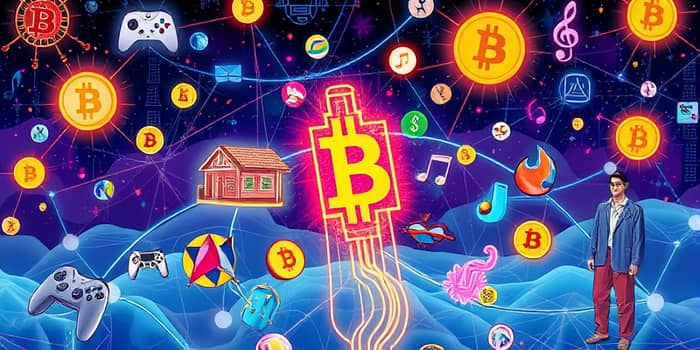
In today’s rapidly evolving digital landscape, NFTs are redefining how we think about ownership, creativity, and value. Beyond collectible images, they represent a paradigm shift in both virtual and physical worlds.
The Essence of NFTs
At their core, non-fungible tokens, or NFTs, are unique digital signature and cryptographic identifier recording proof of ownership and authenticity. Each token lives on a blockchain as a one-of-a-kind asset that cannot be substituted. Unlike cryptocurrencies such as Bitcoin, where one unit equals another, every NFT carries a singular identity that distinguishes it irrevocably.
- Digital formats: artwork, audio, video, games
- Physical assets: real estate, collectibles, luxury goods
- Immutable, unchangeable record on the blockchain
- Market-driven value based on demand and rarity
By marrying cryptography with distributed ledgers, NFTs create transparent and tamper-proof ownership records that anyone can verify. This trustless system opens doors to new business models and creative opportunities.
How NFTs Operate
NFTs rely on smart contracts—self-executing agreements coded into a blockchain. These contracts govern ownership transfers and enforce royalty payments automatically, ensuring creators earn from secondary sales.
- Minting: Upload your asset and generate unique metadata on the blockchain.
- Identifier Generation: A cryptographic hash is created to permanently mark your token.
- Blockchain Recording: Ownership and metadata are immutably stored.
- Transfer & Trading: Sell, trade, or gift your NFT with each transaction logged.
Security and verification hinge on decentralized consensus, making unauthorized duplication or alteration virtually impossible. Prospective buyers simply need a digital wallet and access to an NFT marketplace to participate.
Applications Across Industries
While digital art first captured public attention, NFTs have branched into diverse fields, each leveraging tokenization to unlock novel use cases.
Gaming NFTs power play-to-earn models and true ownership of in-game assets, forming the largest segment of market activity. Virtual swords, unique skins, and digital land parcels all become tradable property.
Real Estate & Tokenization are gaining traction as property deeds and lease agreements transform into NFTs, enabling fractional ownership and faster settlement.
Music & Entertainment artists issue limited edition tracks and access passes, earning royalties automatically with each resale.
Other sectors include fashion wearables, event ticketing, sustainability credits, and AI-enhanced creations—each demonstrating how tokenizing real-world assets can enhance liquidity and transparency.
Market Insights and Trends
The NFT market has experienced explosive growth tempered by periodic consolidation. Current projections estimate the industry reaching tens of billions in valuation by the mid-2020s, with continued expansion in specialized niches.
Ethereum remains the dominant platform, hosting over 60% of NFT contracts, while emerging blockchains offer lower fees and specialized tools. Adoption is highest in Asia and India, with rapid growth expected in Africa and Latin America.
Embracing NFTs: A Practical Guide
Diving into NFTs might feel daunting, but with clear steps, anyone can become a confident participant.
- Choose a reputable digital wallet and secure it with a strong password.
- Explore mainstream marketplaces like OpenSea or Magic Eden.
- Research projects: check creator credibility and community engagement.
- Prioritize long-term utility over speculation by seeking use cases beyond price swings.
- Follow secure trading practices and beware of phishing attempts.
By focusing on projects with real-world integrations—whether gaming assets that hold gameplay value or tokenized real estate—users can harness NFTs’ full potential.
Looking Forward: The Future of Digital Ownership
NFTs mark the dawn of a new era, where digital and physical realms converge under transparent, programmable standards. As mainstream industries integrate tokenization, individuals will enjoy unprecedented control over their property, creative rights, and personal data.
This journey is not without challenges: environmental concerns, regulatory frameworks, and education must evolve in tandem. Yet, the foundational promise remains: NFTs can foster inclusive and decentralized participation, empowering creators and collectors alike.
Whether you’re an artist sharing your first digital masterpiece, a gamer acquiring unique in-game items, or an investor exploring tokenized assets, the world of NFTs invites you to reimagine ownership. Embrace the possibilities, stay informed, and contribute to a future where value transcends physical boundaries.
References
- https://usa.kaspersky.com/resource-center/definitions/what-is-an-nft
- https://colexion.io/nft/market-size-trends/
- https://www.youtube.com/watch?v=HZq4ppcBdY4
- https://www.insightaceanalytic.com/report/non-fungible-token-nft-market/2706
- https://www.coursera.org/articles/what-is-an-nft
- https://www.mordorintelligence.com/industry-reports/global-nft-gaming-market
- https://cloudconstruct.co.uk/advice/the-beginners-guide-to-nfts-and-blockchain-technology/
- https://www.skyquestt.com/report/non-fungible-token-NFT-market
- https://www.blockchainresearchinstitute.org/an-intro-to-blockchain-and-nfts/
- https://fortunly.com/statistics/nft-statistics/
- https://www.businessinsider.com/personal-finance/investing/nft-meaning
- https://www.intelmarketresearch.com/white-label-nft-marketplace-market-26007
- https://www.statista.com/outlook/fmo/digital-assets/nft/worldwide