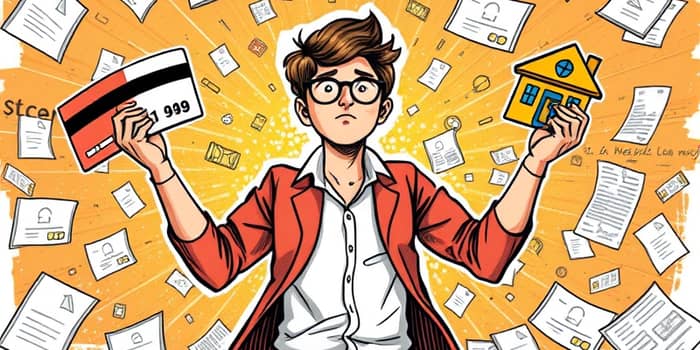
Feeling overwhelmed by the weight of multiple debts is common, but with a clear strategy, you can transform anxiety into action. This guide offers practical tools and an inspiring narrative to help you regain control, pay down debts, and move toward financial freedom.
Assessment Phase: Understanding Your Debt Landscape
Before implementing any strategy, take time to list every loan and EMI with key details: interest rate, outstanding balance, due date, and remaining tenure. This clarity empowers you to make informed decisions.
Gathering this data creates a comprehensive view of your obligations. It also reveals which debts are most burdensome, guiding you toward the most effective repayment path.
Strategic Prioritization Based on Interest Rates
With your loan roster in hand, rank debts by interest rate. Credit cards often top the list with rates as high as 24–48% per annum, while home loans may carry 7–10% rates. Personal loans generally sit in between, especially if they exceed 14% interest.
Applying the Debt Avalanche Method, direct extra funds toward the highest-rate debt while maintaining minimum payments on all loans. This reduces your total interest outgo and accelerates debt elimination.
Loan Consolidation: Streamlining Payments
Consolidation combines multiple high-interest debts into a single, lower-rate loan. Options include personal loan balance transfers, dedicated debt consolidation loans, or a loan against property. Benefits include a single monthly payment and potential savings on interest.
Consider consolidation when:
- Your EMIs exceed 40% of your income.
- You carry various high-interest debts like payday loans and credit cards.
- Your credit score qualifies you for a lower-rate offer.
Budget Creation and Automation
Designing a budget helps ensure EMIs remain within 40–50% of your monthly income. Include fixed expenses—rent, utilities, groceries—and earmark funds for debt repayment.
Automation safeguards your progress. Set up standing instructions or a NACH mandate to debit EMIs directly, and use payment reminders in financial apps. This approach helps you avoid late fees, maintain a stellar payment record, and may even unlock interest rate discounts on auto-pay.
Choosing a Debt Repayment Method
Two leading methods guide repayment:
Choose the Snowball method if you need fast success milestones to stay motivated. Opt for Avalanche if saving on interest aligns with your financial goals.
Optimizing Your Credit Score
A credit score above 750 unlocks lower interest rates and better loan terms. To move your score upward,:
Pay all EMIs on schedule. Keep your credit utilization below 30%. Avoid applying for multiple loans within a short period. Regularly review your credit report and dispute any inaccuracies promptly.
These practices cultivate a solid credit profile for refinancing or future borrowing.
Accelerating Your Debt-Free Journey
Whenever possible, make prepayments on high-cost loans. Even small extra payments can significantly cut your interest expenses over time. Before proceeding, confirm whether your lender imposes a prepayment penalty (often 1–3%). Calculate if your anticipated savings exceed any fees.
Additionally, consider setting aside three to six months of EMIs in an emergency fund. This buffer prevents you from derailing repayment plans if unexpected costs arise, keeping your momentum intact.
Common Pitfalls to Avoid
- Taking on new loans while still repaying existing ones.
- Missing payments due to poor budgeting or lack of automation.
- Overlooking prepayment penalties when accelerating repayments.
- Neglecting to track progress, leading to waning motivation.
Awareness of these traps allows you to navigate challenges proactively, preserving both your finances and your drive.
Action Plan Summary
- Assess all loans: balance, rate, due dates.
- Prioritize repayment: highest-rate debts first.
- Consolidate if it reduces your overall interest burden.
- Automate EMIs and build a robust budget.
- Select Snowball or Avalanche based on your goals.
- Enhance your credit score through on-time payments.
- Make strategic prepayments and maintain an emergency fund.
- Avoid taking on new debt until current loans are managed.
By following this structured approach, you transform complexity into clarity and regain control over your finances. Each step you take brings you closer to a debt-free future, empowering you to build the life you envision—unburdened and financially resilient.
References
- https://rupeeq.com/blog/how-to-manage-multiple-loan-repayments-effectively/
- https://mottomortgage.com/blog/managing-personal-loan-repayments/
- https://www.ukfcu.org/blog/how-to-manage-debt-effectively
- https://www.capitalcu.com/article/strategies-managing-debt-regain-financial-independence
- https://www.navyfederal.org/makingcents/credit-debt/debt-repayment-strategies.html
- https://dfpi.ca.gov/news/insights/three-steps-to-managing-and-getting-out-of-debt/
- https://www.westernsouthern.com/personal-finance/debt-reduction-strategies
- https://www.mahindrafinance.com/blogs/personal-loan/6-tips-for-managing-multiple-personal-loans