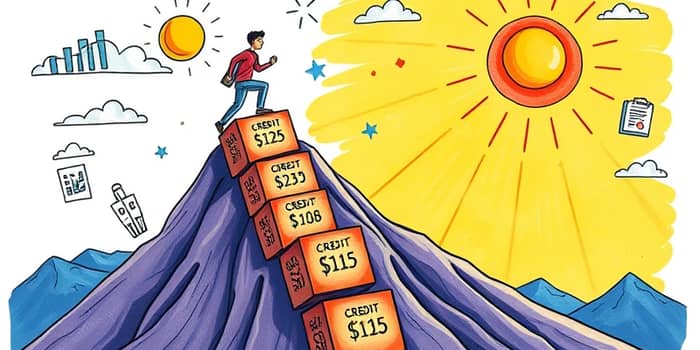
Building or rebuilding credit can feel like climbing a mountain, especially when starting at the bottom. This comprehensive guide will lead you through every step—step-by-step actionable guidance to success—so you can navigate credit scores with confidence and purpose. Whether you are new to credit or recovering from past setbacks, you’ll discover strategies backed by industry data, real-world tips, and a clear roadmap toward financial empowerment.
Understanding Credit Fundamentals
Your credit score is a three-digit number that represents your creditworthiness. Scores range from 300 to 850, with categories from Poor to Excellent. Lenders rely on models like FICO and VantageScore, which weigh factors differently: Payment History at 35 percent importance, Credit Utilization at 30 percent, Length of Credit History at 15 percent, Credit Mix at 10 percent, and New Credit at 10 percent. Knowing these weights helps you focus on the most impactful actions first.
Equipping yourself with accurate information is critical. You can access free credit reports weekly from the main bureaus to monitor your progress. By understanding your starting point, you can tailor a plan that addresses errors, disputes inaccuracies, and avoids surprises.
Building a Strong Foundation
When your profile is thin or your score falls in the Poor range (300–579), early gains come from establishing consistent positive behaviors. Begin by setting up set up auto-pay and alerts for bills to ensure you never miss a payment. Timely payments are the single most influential factor in raising your score.
An effective tactic for new profiles is to become an authorized user on a trusted account. This can instantly leverage a longer credit history without taking on new risk. If that is not an option, secure a secured credit card and maintain balances below thirty percent of the limit to build utilization history responsibly.
Supplement these efforts with a credit-builder loan. These small, installment loans are designed to report positive payment records to credit bureaus, gently boosting your history and mix. Remember that patience and consistency in these early months can yield dramatic progress.
- Automate all recurring payments
- Limit card balances under 30 percent utilization
- Use secured cards or credit-builder loans
- Review and dispute report errors promptly
Progressing Through Score Stages
Once you move into the Fair (580–669) and Good (670–749+) ranges, your focus should shift toward optimizing utilization, diversifying your credit mix, and minimizing hard inquiries. Spacing out new applications and paying down revolving balances more frequently can accelerate gains.
Tracking your progress monthly ensures you can adapt strategies and celebrate incremental wins. Use budgeting tools to allocate funds toward credit goals without sacrificing emergency savings.
Advanced Strategies and Long-Term Maintenance
As you ascend into Excellent territory (750+), small refinements can yield significant perks, including lower interest rates, premium credit offers, and greater borrowing power. Consider requesting credit limit increases to lower effective utilization—if done judiciously, this incurs no hard inquiry.
Strategic payment timing—such as pay balances before statement closing date—can reduce reported balances and maximize score impact. Coupling this with tools like Experian Boost or rent-reporting services can further enhance your profile by adding utility and rent payments to your history.
- Negotiate or settle collections before they appear
- Maintain a diverse mix of installment and revolving accounts
- Budget using the 60/30/10 rule with savings buffer
- Seek non-profit credit counseling if overwhelmed
Long-term success demands vigilance. Avoid common pitfalls like maxing out cards, closing unused accounts (which may shorten average history), or chasing too many offers in a short time. Adopt a marathon mindset—consistent, incremental progress will compound over 12 months and beyond.
Embrace financial education as an ongoing journey. By integrating healthy credit habits into your daily routine, you can sustain an outstanding profile that opens doors to lower rates, better terms, and broader financial opportunities.
Embarking on this path transforms not only your credit score but your confidence and control over personal finances. With dedication, discipline, and informed strategies, you’ll move from zero to hero in the credit world, paving the way for future dreams—whether buying a home, launching a business, or securing the best possible rates on every purchase.
References
- https://www.lendio.com/blog/7-ways-boost-credit-score
- https://www.aafmaa.com/resource-center/9-strategies-to-improve-your-credit-score
- https://www.fidelity.com/learning-center/personal-finance/improving-credit
- https://www.broadviewfcu.com/blogs/10-things-you-can-do-to-improve-your-credit-score/
- https://cnb1901.com/blog-improving-your-credit-score
- https://www.fswb.bank/about/five-tips-for-improving-your-credit-score
- https://credevolv.com/how-to-build-keep-a-strong-credit-profile/
- https://www.communityfirstfl.org/resources/blog/how-to-improve-your-credit-score
- https://www.johnsonfinancialgroup.com/resources/blogs/your-financial-life/understanding-your-credit-score-strategies-to-build-and-increase-credit/
- https://bettermoneyhabits.bankofamerica.com/en/credit/how-to-improve-your-credit-score
- https://www.consumerfinance.gov/ask-cfpb/how-do-i-get-and-keep-a-good-credit-score-en-318/
- https://www.experian.com/blogs/ask-experian/credit-education/improving-credit/improve-credit-score/
- https://www.nerdwallet.com/finance/learn/raise-credit-score-fast
- https://www.reliantcu.com/resources/financial-education/4-tips-to-boost-your-credit-score-quickly/
- https://www.youtube.com/watch?v=d9dJA6_XQ_E