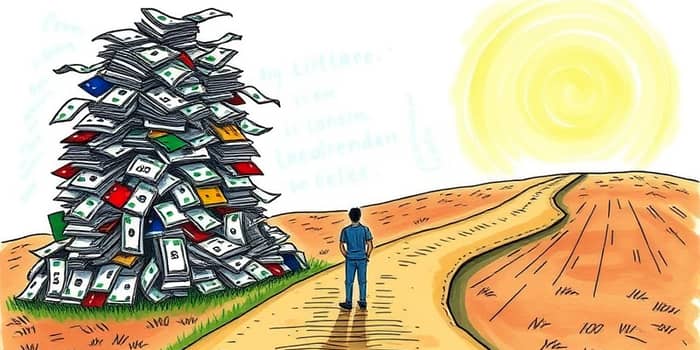
Many people carrying multiple debts ask themselves whether consolidating those obligations will truly bring relief or simply swap one burden for another. This article provides an in-depth look at debt consolidation and offers practical guidance to help you decide if it’s the right move.
Understanding Debt Consolidation
Debt consolidation combines balances from credit cards, medical bills, personal loans, or other obligations into a single loan or payment plan. Common vehicles include personal loans, balance-transfer credit cards, home equity loans, and nonprofit debt management plans.
By focusing all balances into one account, you gain a one manageable monthly payment plan and often secure a lower average interest rate. However, the success of consolidation hinges on credit score, spending habits, and loan terms.
Key Benefits of Debt Consolidation
- Lower interest rates can save thousands over the life of the loan
- One payment replaces multiple due dates, reducing missteps
- Fixed terms create a clear payoff date and schedule
- On-time payments can deliver long-term credit score improvement
- Brings past-due accounts current, relieving stress and fees
When you replace a 20%–25% APR credit card balance with a 10% personal loan, you reduce overall interest expenses significantly. For example, $9,000 at 25% APR over two years costs roughly $2,500 in interest, whereas a 10% loan cuts that cost by more than half.
Potential Drawbacks to Consider
- Origination or balance-transfer fees (commonly 3%–5%) may offset savings
- Poor credit can lead to higher rates than existing debts
- Extending the repayment timeline can boost total interest paid
- Frees up credit limits that can tempt overspending if habits remain unchanged
- A hard credit inquiry and account closures cause a temporary score dip
Even with a lower interest rate, a longer repayment period might mean paying more overall interest. Always factor in fees and term length to see if consolidation truly offers potential for extended repayment timelines advantages.
Comparison Table: Pros vs. Cons
Who Should Consolidate and Who Should Wait
Consolidation can be transformative for individuals facing multiple high-interest credit card debts who qualify for a lower-rate loan. If you have a credit score in the mid-600s or higher and maintain disciplined budgeting, you could pay off balances faster and save significantly.
On the other hand, those with consistently late payments, poor credit scores, or no plan to curb spending may see little benefit. Consolidation without behavior change can simply replace old debt with new balances, leaving you deeper in a financial hole.
Alternatives to Debt Consolidation
- Debt avalanche: focus extra payments on highest-interest balances first
- Debt snowball: prioritize smallest balances to build momentum
- Credit counseling or nonprofit debt management plans that negotiate lower rates
These strategies don’t rely on new financing but instead leverage existing resources and disciplined payment plans. They can be effective when consolidation isn’t available or advisable.
Crafting Your Path to Financial Freedom
Whether consolidation proves to be a friend or foe depends on careful assessment and intentional action. Follow these steps to make an informed decision:
- Run detailed payoff scenarios, including fees and term lengths
- Create a sustainable budget that addresses root spending habits
- Ensure you have an emergency fund to avoid new debt
- Monitor your credit report and adjust strategies as your score changes
By pairing careful budgeting and disciplined spending with a solid repayment structure, you can harness the power of debt consolidation or alternative methods to achieve real financial relief.
In the end, debt consolidation can be a powerful tool for those committed to change, but a perilous shortcut for those who aren’t prepared. Evaluate your situation honestly, seek expert guidance if needed, and choose the path that aligns with your goals and discipline. Only then will consolidation become the friend you’ve been searching for.
References
- https://navigatorcu.org/2024/09/pros-and-cons-of-debt-consolidation/
- https://www.bankrate.com/personal-finance/debt/pros-and-cons-of-debt-consolidation/
- https://www.ccfcu.org/debt-consolidation-pros-and-cons/
- https://www.nerdwallet.com/personal-loans/learn/pros-and-cons-debt-consolidation
- https://www.myfsbonline.com/education/financial-wellness/consolidate-debt
- https://www.experian.com/blogs/ask-experian/pros-and-cons-of-debt-consolidation/
- https://www.equifax.com/personal/education/debt-management/articles/-/learn/what-is-debt-consolidation/
- https://www.ccculv.org/debt-consolidation-pros-and-cons-what-to-know-beforehand/
- https://www.pnc.com/insights/personal-finance/borrow/what-is-debt-consolidation-and-how-does-it-work.html
- https://www.lancofcu.com/blog/personal-loans-for-debt-consolidation-pros-cons/
- https://blog.umb.com/personal-banking-guide-how-debt-consolidation-works/
- https://www.youngmarrlaw.com/how-does-debt-consolidation-work/
- https://www.fhi360.org/resources/defining-debt-consolidation/
- https://www.wellsfargo.com/goals-credit/smarter-credit/manage-your-debt/consider-debt-consolidation/
- https://www.usbank.com/financialiq/manage-your-household/manage-debt/Consolidating-debts-Pros-cons-keep-in-mind.html