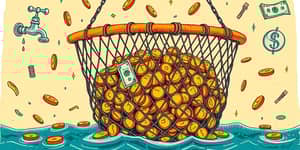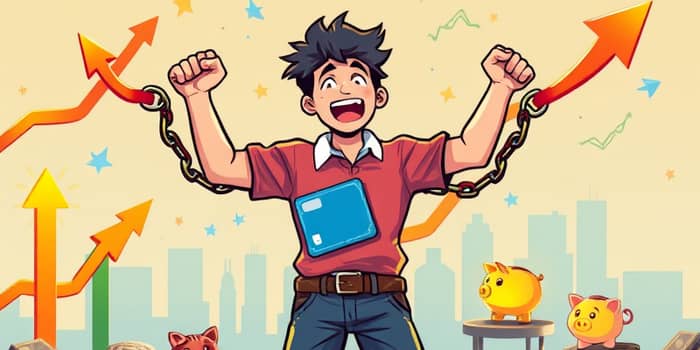
The weight of escalating credit card balances can feel overwhelming, but you are not alone in this journey.
From rising national averages to generational trends, the data tells a compelling story—and more importantly, lights the path toward freedom.
Understanding the Current Debt Landscape
As of Q3 2025, the national average credit card debt among cardholders with unpaid balances climbed to $7,886, marking a 2.8% increase from early 2024.
Total U.S. credit card debt set a new high at record-breaking credit card debt levels, soaring to $1.28 trillion and projected to settle near $1.18 trillion by the end of 2026.
This surge reflects a 66% jump from the pandemic low in early 2021 and a 38% rise above the pre-pandemic peak of Q4 2019.
Meanwhile, delinquency rates 30+ days past due remain elevated, and fintechs are capturing 71% of the market share for new credit issuance.
Generationally, the proportion of adults carrying a balance reveals nuanced patterns:
- Gen X (ages 46–61): 53%
- Millennials (ages 30–45): 53%
- Boomers (ages 62–80): 43%
- Gen Z (ages 18–29): 40%
Long-term debt persistence is also climbing: 61% of cardholders have held a balance for at least one year, up from 53% in late 2024. Of these, 31% have carried debt for over three years and 21% for more than five years.
- 22% believe they’ll never fully pay it off
At the state level, residents of Connecticut, New Jersey, Maryland, Hawaii, and Washington, D.C. carry the highest averages—ranging from $9,413 to $9,778—while Mississippi, Arkansas, West Virginia, Kentucky, and Louisiana report the lowest figures, between $4,887 and $5,421.
Proven Strategies to Break Free from Debt
Confronting debt requires a combination of psychological momentum that fuels success and a clear, step-by-step plan. Below is a detailed comparison of the most effective repayment approaches:
Regardless of the method, these universal guidelines can accelerate your journey:
- Pay more than the minimum to reduce interest faster.
- Never miss a payment; payment history is the single largest FICO factor.
- Use cash or debit to curb impulse spending.
Building Lasting Habits for Financial Health
Clearing debt is as much a mental challenge as a numerical one. Cultivating sustainable habits transforms short-term success into lifelong stability.
- Mindset shift: View debt as temporary and conquerable. Celebrate small victories that drive progress.
- Budget first: Document every dollar of income and expense before spending.
- Utilization management: Keep credit card balances below 30% of each limit.
- Automate savings: Direct a portion of each paycheck into an emergency fund.
- Cut non-essentials: Swap subscriptions and dining out for free or low-cost alternatives.
By ingraining these behaviors, you forge an unwavering commitment to long-term goals and resist the allure of revolving debt.
Taking Control and Looking Ahead
Economic conditions can shift rapidly, and understanding the broader context empowers you to adapt.
Interest rates remain high—averaging around 23.77% APR on credit cards—but Federal Reserve rate cuts could ease borrowing costs later in 2026. Meanwhile, inflation and living expenses continue to pressure household budgets.
Maintaining a robust consolidation and repayment plan will protect your credit score, reduce interest outlays, and build equity in your financial future. As balances shrink, you’ll unlock more credit capacity and lower utilization ratios—factors that can boost your score further.
Your journey from burdened borrower to financial champion starts with a single extra payment and a shift in perspective. By combining data-driven strategies with psychological insight, you reclaim not just your balance sheet, but also your sense of agency and peace of mind.
Remember: every payment brings you closer to relief, every habit strengthens your resilience, and every plan executed fuels psychological momentum that fuels success.
Embrace the process, celebrate incremental wins, and trust that with diligence, support, and the right roadmap, you will emerge financially empowered. Your credit card cleanse begins now.
References
- https://www.lendingtree.com/credit-cards/study/credit-card-debt-statistics/
- https://www.umcu.org/learn/resources/blogs/how-to-pay-off-credit-card-debt
- https://www.bankrate.com/credit-cards/news/credit-card-debt-report/
- https://www.bairdwealth.com/insights/wealth-management-perspectives/2022/08/5-strategies-for-paying-off-credit-card-debt/
- https://www.marketplace.org/story/2026/01/13/more-americans-burdened-by-longterm-credit-card-debt-study-says
- https://www.phoenix.edu/blog/managing-credit-card-debt-and-fostering-good-credit-habits.html
- https://newsroom.transunion.com/2026-consumer-credit-forecast/
- https://consumer.ftc.gov/articles/how-get-out-debt
- https://www.experian.com/thought-leadership/business/state-of-credit-card-2026-report
- https://dfpi.ca.gov/news/insights/three-steps-to-managing-and-getting-out-of-debt/
- https://www.youtube.com/watch?v=7DXmus2932o
- https://www.aba.com/advocacy/community-programs/consumer-resources/manage-your-money/reduce-credit-card-debt-without-a-debt-settlement-company
- https://www.fidelity.com/learning-center/personal-finance/managing-debt
- https://www.wellsfargo.com/goals-credit/smarter-credit/manage-your-debt/tips-for-managing-debt/
- https://www.westernsouthern.com/personal-finance/debt-reduction-strategies