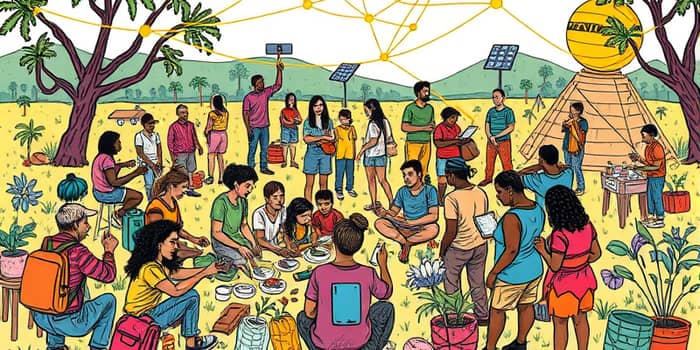
In an era marked by rapid change, traditional top-down approaches to social impact are giving way to community-led, participatory action at scale. Across cities and rural areas alike, individuals are pooling resources, expertise, and passion to launch initiatives that are deeply rooted in local needs. This shift represents not only a transformation in funding models but also a profound reimagining of how civic life can flourish when power and agency are distributed. By empowering neighbors to become architects of their shared future, decentralized collaboration is ushering in a golden age of trust, innovation, and sustainable change.
From mutual aid networks responding to crises to digital platforms that embed community into customer experience, decentralized efforts harness the energy of diverse stakeholders—residents, nonprofits, social enterprises, and corporations—uniting them around a common purpose. The result is a resilient ecosystem where ideas flow freely, impact is measured in real time, and benefits extend far beyond a single organization or constituency.
Embracing Collective Giving Models
Recent data reveals a significant transition from individual donors to neighborhood donation drives and giving circles. These localized pools of resources are not mere fundraising vehicles; they are engines of community engagement and solidarity. By hosting regular meetings, sharing success stories, and rotating decision-making power, giving circles foster deeper connections among participants and ensure that funds are directed toward projects with genuine local support.
Collective giving circles reduce barriers to entry for new philanthropists, enabling individuals with modest means to contribute alongside wealthier neighbors. This inclusivity cultivates a sense of shared ownership, encouraging participants to become more than just financial backers—they become champions, advisors, and co-creators of lasting solutions. As a result, polarization diminishes, trust strengthens, and civic infrastructures are revitalized.
Technology as a Catalyst for Community Projects
Innovation in open-source and mesh networking technologies has unlocked new possibilities for decentralized collaboration. Across underserved areas, residents are deploying affordable, solar-powered sensors to monitor environmental conditions without relying on centralized data centers. Mesh networks extend connectivity across miles, enabling community members to share real-time information, coordinate emergency responses, and support local agriculture.
Examples of such transformative initiatives include:
- AIRWISE solar-powered sensor networks with Mesh connectivity to track air quality in real time.
- Gateways Creative Technology Reentry Program training formerly incarcerated individuals in digital design and portfolio building.
- Citizen science workshops that engage stakeholders in data collection, codesign sessions, and impact mapping.
By leveraging these technologies, communities bypass the limitations of centralized infrastructure. They gain autonomy over data, build technical capacity, and foster a learning culture where every participant can contribute expertise. This democratization of tools is driving innovation in areas from public health to environmental stewardship.
Building Trust Through Strategic Partnerships
Health systems, educational institutions, and corporations are increasingly recognizing the value of community partners as strategic co-architects of wellbeing. In regions such as Oregon and Massachusetts, integrated approaches have led to significant reductions in hospital admissions and emergency department visits. This success stems from aligning goals, sharing resources, and jointly measuring outcomes.
Corporate matching gift programs further amplify impact by incentivizing employees to give back. With over half of leading companies offering matching gifts, donors are motivated by the prospect of doubling their contributions. Yet billions remain unclaimed due to low awareness. By embedding matching opportunities into community platforms and automating reminders, organizations can unlock this untapped potential and drive greater funding toward local priorities.
Engaging Diverse Generations in Your Community
To sustain momentum, project leaders must tailor engagement strategies to the distinct preferences of each demographic cohort. Gen Z, for instance, thrives on short, interactive digital experiences. They respond to challenges on social media, peer-to-peer fundraising, and live streaming events that visibly showcase impact. Millennials, meanwhile, align with causes that reflect their values, seeking transparent reporting and opportunities for hands-on involvement.
Older adults in the Silent Generation prioritize personal connection and trust. They favor traditional outreach like direct mail and phone calls, and they gravitate toward charities focused on veterans, disaster relief, and religious or social services. By blending digital channels with personalized touches—such as phone check-ins or community gatherings—project leaders can foster cross-generational collaboration that leverages the strengths of each group.
- Gen Z: Social media campaigns, interactive polls, micro-grants.
- Millennials: Virtual workshops, cause-driven partnerships, volunteer match platforms.
- Silent Generation: Direct mail appeals, phone outreach, in-person town halls.
Creating inclusive spaces where all voices are heard not only enhances participation but also enriches project design, ensuring solutions are culturally relevant and broadly supported.
Measuring Impact and Sustaining Momentum
Effective decentralized collaboration relies on transparent metrics that tie community engagement to tangible outcomes. Organizations are adopting retention-linked performance indicators for community success such as time-to-value, support deflection rates, and advocacy participation. These measures enable teams to iterate rapidly, celebrate wins, and course-correct where needed.
A structured approach to impact measurement might include:
By publicly sharing progress and soliciting feedback through codesign surveys, communities reinforce trust and attract new collaborators. Regular storytelling—via newsletters, community calls, or interactive dashboards—keeps members informed and motivated. Celebrating milestones, no matter how small, builds a culture of recognition that fuels continued dedication.
Decentralized collaboration is more than a methodology; it is a movement toward a more equitable and interconnected world. By embracing hyperlocal giving trends and participatory research, leaders can harness the collective genius of diverse stakeholders. The path forward demands creativity, persistence, and a willingness to share power. Yet the rewards—a resilient civic fabric, vibrant community networks, and sustainable outcomes—are profound.
Now is the moment to reimagine how we design solutions. Whether you are a nonprofit director, corporate partner, or passionate volunteer, you hold a piece of the puzzle. Together, through decentralized collaboration, we can unlock transformative impact that endures for generations to come.
References
- https://kindsight.io/resources/blog/fundraising-statistics/
- https://www.julepcrm.com/blog/nonprofit-giving-trends-to-watch-2026
- https://news.ucsc.edu/2026/01/five-student-projects-funded-by-2025-26-citris-tech-for-social-good-program/
- https://premierinc.com/newsroom/blog/one-secret-to-winning-2026-community-partnerships-that-reduce-cost-and-boost-value
- https://circle.so/2026-community-trends-report
- https://www.cxtoday.com/community-social-engagement/customer-community-social-engagement-trends-to-watch-in-2026/
- https://www.fsg.org/blog/future-of-social-impact-what-to-watch-in-2026/
- https://standtogether.org/stories/strong-safe-communities/real-ways-to-serve-your-community