Loan fraud schemes have evolved rapidly, costing consumers billions annually.
Understanding the Rise of Loan Fraud
Over the last five years, losses from lending scams have surged by more than 70%, reaching over $5.8 billion in 2024. Imposter scams alone accounted for $2.3 billion in consumer losses. Scammers now deploy sophisticated tactics like AI deepfakes and synthetic identities to bypass traditional safeguards.
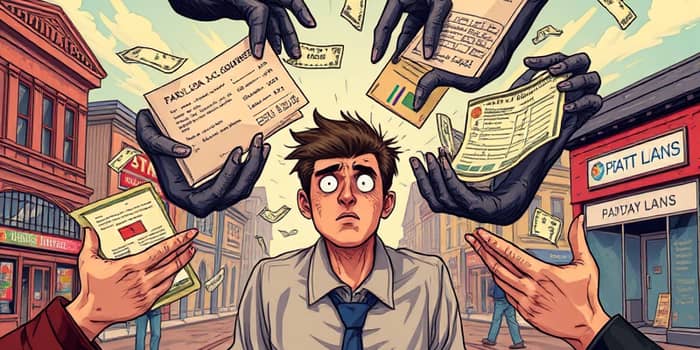
From mortgage applications to small personal loans, criminals exploit every vulnerability. Whether targeting first-time homebuyers or students seeking relief, they manipulate victims with persuasive lies and fake credentials.
Identifying Common Types of Scams
Scams vary widely in method and target, but all share a goal: tricking you into handing over money or personal data. Below is a quick reference table outlining the most prevalent lending scams in 2024.
Recognizing Red Flags and Warning Signs
- Unsolicited calls or emails pressuring you to "act now" or pay upfront fees.
- Requests for personal data via wire transfer, cryptocurrency, or gift cards.
- Inconsistencies in documentation, such as mismatched income figures or employers.
- Online applications that offer instant approval without proper verification.
High-Risk Loan Products to Watch Out For
- Payday and check advance loans with APRs exceeding 400% that trap borrowers in debt cycles.
- Buy-here-pay-here auto loans enforcing high repossession rates and hidden fees.
- Pawn shop lending where collateral is seized within 30–90 days if repayments lapse.
Practical Strategies to Protect Yourself
It’s vital to maintain vigilance at every stage of the borrowing process. Start by verifying a lender’s credentials through official channels, not social media links or unsolicited texts. Always cross-check company details on government or financial regulator websites.
- Use only reputable lenders, credit unions, or well-known financial institutions.
- Monitor your credit reports regularly and consider freezing your credit when not applying for new loans.
- Review all documents personally, and never sign forms with blank fields.
- Prefer payment methods that offer reversibility, such as credit or debit cards, rather than wire transfers.
- Report suspicious activity promptly to the FTC and your state attorney general’s office.
By staying informed about emerging threats like impersonate legitimate lenders and companies or inflated income and false pay stubs, you gain the upper hand against fraudsters. Leverage built-in identity monitoring tools and set up alerts for any unusual account activity.
Remember, no legitimate lender will guarantee approval without a thorough review of your financial history. Avoid any business that insists on upfront fees or demands payment through untraceable channels.
In today’s digital landscape, multiple simultaneous loans before updates and synthetic identity schemes can slip past outdated controls. Consumers must therefore adopt proactive habits: lock down critical personal information, confirm every offer independently, and refuse high-pressure tactics.
With these measures in place, you’ll be well-equipped to protect personal data and prevent fraud, safeguarding your assets and peace of mind. Stay alert, stay informed, and always question too-good-to-be-true deals.
References
- https://ondato.com/blog/what-is-loan-fraud/
- https://www.backofficepro.com/blog/mortgage-scam-statistics-2025/
- https://www.kansascityfed.org/research/payments-system-research-briefings/contact-and-payment-methods-used-for-the-top-five-categories-of-scams/
- https://pointpredictive.com/find-out-common-ways-lenders-experience-and-can-prevent-fintech-lending-fraud/
- https://www.debt.org/credit/loans/loan-scams-to-avoid/
- https://www.ocrolus.com/whitepapers/how-to-address-the-6-most-common-types-of-fraud-in-loan-applications/
- https://www.ftc.gov/news-events/news/press-releases/2025/03/new-ftc-data-show-big-jump-reported-losses-fraud-125-billion-2024
- https://www.fhb.com/en/resource-center/security-and-fraud-protection/identifying-and-avoiding-loan-scams-online
- https://mycreditunion.gov/protect-your-money/prevention/frauds-scams