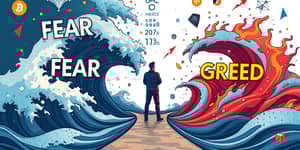
Stepping into the world of cryptocurrency can feel overwhelming, but with the right knowledge and preparation you can trade confidently and responsibly.
Introduction to Crypto Trading Basics
Cryptocurrency trading involves buying and selling digital assets such as Bitcoin (BTC) and Ethereum (ETH) on exchanges, aiming to profit from price fluctuations. In 2026, the market sees massive institutional inflows in 2026 and regulatory clarity provided by EU MiCA, with Bitcoin averaging around $120,000 and many HODLers enjoying threefold gains in 2025.
Today’s beginner-friendly platforms require as little as $100 to start, offer demo accounts, and feature intuitive interfaces. Yet, the market remains highly volatile, so it’s essential to begin with thorough education to protect your capital.
Understanding Key Concepts
Before placing your first order, familiarize yourself with fundamental terms that will shape your trading journey.
- Fiat currency: Traditional government-issued money (e.g., USD) used to fund accounts.
- Spot trading: Buying crypto outright to hold or sell later, ideal for beginners.
- Margin and futures: Leveraged positions (up to 1
- HODL: Long-term holding strategy through market swings.
- CFDs: Contracts for difference let you trade price movements without owning assets.
- Wallets: Secure storage, especially hardware options like Ledger.
Choosing the Right Platform (2026 Recommendations)
Your choice of exchange or broker can make a significant difference in fees, security, and user experience. Prioritize platforms with intuitive trading apps with demo support, robust security measures, and transparent fee structures.
It’s wise to open accounts on multiple platforms to compare fiat on-ramps, withdrawal fees, and asset availability before committing significant funds.
Setting Up Your Account (Step-by-Step)
Getting started typically takes under 10 minutes on most apps. Follow these steps to ensure your account is secure and ready for trading.
- Choose a reputable platform based on fees, assets, and support.
- Sign up with your email and complete quick KYC verification.
- Enable 2FA and consider a hardware wallet for long-term storage.
- Fund your account via bank transfer, card, or stablecoin deposit.
- Practice on a demo account to refine your strategies without risk.
Trading Strategies for Beginners
Developing and sticking to a plan is crucial. Start with low-risk methods, then explore more advanced techniques as you gain confidence.
- Dollar-Cost Averaging (DCA): Invest fixed amounts regularly to smooth entry prices.
- HODL: Buy and hold top assets for long-term growth.
- Swing Trading: Capture multi-day market movements effectively.
- Range Trading: Buy at support and sell at resistance in sideways markets.
- Day Trading: Use technical indicators on 15-min to 4H charts, with strict stop-loss rules.
Risk Management Essentials
Even the best strategy can fail without proper risk controls. Always define your risk per trade and stick to it.
Never risk more than 1% of your capital on a single trade. Use stop-loss orders set at 5–10% below entry and diversify across 5–10 assets, allocating roughly 50% to Bitcoin, 30% to Ethereum, and 20% to altcoins.
Learning to understand risk tolerance and manage exposure separates successful traders from the rest.
Technical Analysis Basics
Candlestick charts reveal patterns like doji, engulfing, and hammers that signal potential reversals. Combine moving averages, Bollinger Bands, and volume analysis to confirm entry and exit points. Practice reading multiple timeframes to align swings and daily trends before placing trades.
Security and Best Practices
Security is non-negotiable. Always use 2FA, strong passwords, and reputable hardware devices. For long-term holdings, transfer assets to secure hardware wallets like Ledger. Understand the regulatory landscape, such as MiCA in Europe, and verify that your platform holds relevant licenses.
Additional Resources and Tips
Continue learning through platform academies—Bybit Learn, OKX Academy, MEXC Guides, and eToro Academy offer videos, webinars, and articles. Monitor spreads, withdrawal fees, and inactivity charges to optimize costs.
Stay informed about trends like 24/7 markets, ETF listings, and advanced copy-trading features. Above all, maintain discipline, avoid common pitfalls such as emotional trading, and always trade with a plan.
With education, patience, and consistent practice, you can navigate the exhilarating world of crypto trading. Embrace the journey, respect the risks, and watch your skills—and confidence—grow.
References
- https://pastthewire.com/blog-posts/how-to-start-crypto-trading-in-2026-a-comprehensive-beginners-guide/
- https://www.bestbrokers.com/crypto-brokers/crypto-trading-platforms-for-beginners/
- https://www.tekedia.com/can-beginners-still-trade-crypto-in-2026-a-practical-guide-to-building-wealth/
- https://www.nerdwallet.com/investing/best/crypto-exchanges-platforms
- https://www.youtube.com/watch?v=VO21tHQRHJ4
- https://www.schwab.com/learn/story/how-to-invest-cryptocurrency-beginners-guide
- https://westafricatradehub.com/crypto/most-profitable-crypto-trading-strategy-for-2026-crypto-trading-strategies-explained/
- https://www.youtube.com/watch?v=7AqZJGMHzvI
- https://www.coursera.org/articles/how-to-trade-cryptocurrency
- https://www.etoro.com
- https://www.gemini.com/cryptopedia/day-trading-crypto
- https://www.cointracker.io/blog/best-crypto-exchanges-for-beginners
- https://www.youtube.com/watch?v=I1DwIc5dHdg
- https://mars-desert-research-station.raiselysite.com/jay-ho/posts/official-2026-guide-how-to-trade-on-coinbase-step-by-step-for-beginners